
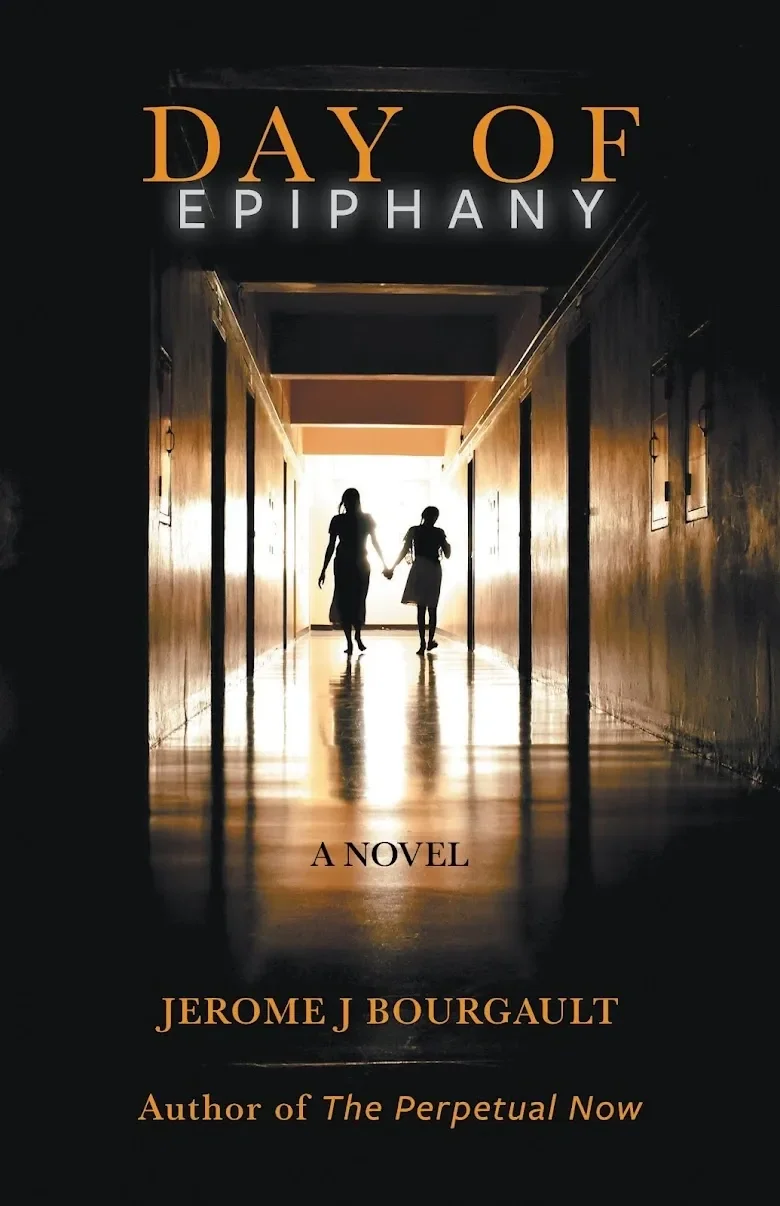
Jerome Bourgault’s Day of Epiphany delivers a searing exploration of a dark chapter in Canadian—and specifically Quebecois—history: the Grande Noirceur (“Great Darkness”) of 1944–1959. During this period, the Catholic Church, wielding influence through the provincial government, controlled healthcare and orphanages. Bourgault crafts a powerful and unsettling narrative that examines systemic abuse and the scars left by religious institutions. With evocative prose and gripping tension, the novel serves as a stark reminder of Canada’s darker times, exposing the complicity of those who perpetuated unimaginable harm. The novel largely follows Cassandra, a young nun and educator at Sainte-Madeleine orphanage. Through her perspective, Bourgault immerses readers in the complexities of life within a Catholic orphanage, where the hope of eventual adoption—or aging out at sixteen—offers the children a fragile lifeline. To generate income, the Catholic Church in Quebec adopts children surrendered to its orphanages, presenting this as an opportunity to provide the orphans with a better future. Yet, as Bourgault deftly reveals, the church’s actions are far from noble. It would be nice to say that selling children to bolster its finances is the most morally abject element of this story—but it isn’t. The narrative takes a grim turn following a devastating fire that destroys Sainte-Madeleine, resulting in the deaths of several children and orphanage staff. The building is rebuilt and repurposed into a mental ward, unbeknownst to Cassandra, who assumes that her work will continue like before. Bourgault skillfully draws attention to the language surrounding this transition, as the orphans, now reclassified as patients, become vulnerable to unspeakable abuses at the hands of predatory clergy and others who exploit the institution for their own depraved desires. Cassandra, while spared from the tortures inflicted on Sainte-Madeleine’s patients, faces a mounting moral and spiritual quandary: How much does God hate these children that he allows them to be so abused? Or is this institution part of the church and not some other political scheme? Her internal struggle adds depth to the novel’s themes, as she wrestles with whether such suffering reflects divine indifference or institutional betrayal. Bourgault masterfully captures her spiritual and emotional turmoil, creating a nuanced protagonist. The supporting characters are equally dynamic, each with a richly layered arc that engages readers at all turns. Ultimately, Day of Epiphany is a masterful vehicle representing Quebec’s checkered past, unflinchingly exploring systemic abuse while delivering justice to those complicit in the harm. The suspense is palpable, making the novel nearly impossible to put down. With precision and empathy, Bourgault transcends historical fiction in Day of Epiphany, offering a haunting meditation on moral responsibility and accountability. —CANREADS TORONTO BOOK REVIEW