
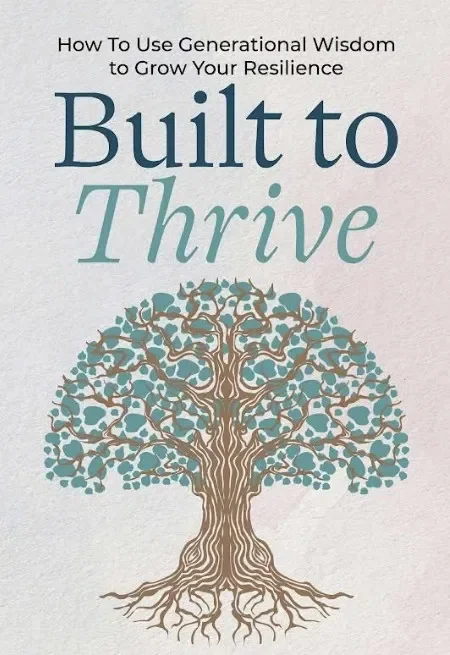
Part memoir, part guide, Mary-Jo Bathe’s Built to Thrive: How To Use Generational Wisdom to Grow Your Resilience gifts readers a framework for cultivating a resilient lifestyle, even in the darkest of times. Through sharing stories of survival—such as leaving her twenty-six-year marriage and living in a women’s shelter—Bathe crafts a powerful tool for anyone facing hardship. Bathe expertly threads lived experience with generational insight, grounding Built to Thrive in both personal reflection and inherited wisdom. The first section of the book explores how our lives can go awry and how listening to generational wisdom can help us avoid learning the hard way. In the second part of the book, Bathe introduces key principles for learning how to flourish in the lives we make for ourselves. The book culminates in applications from all the insights previously shared. In every section, Built to Thrive empowers readers to take the reins of life and thrive. Although the book is part memoir, Bathe’s hardships are secondary in Built to Thrive. Rather, her father, a man shaped by the Great Depression, serves as the central inspiration for the book. She often recounts his harrowing stories about overcoming seemingly insurmountable difficulties, and these stories serve as a springboard for how to build a stronger life. Her love for him burns through the pages, revealing just how much she learned from him. From her father’s teachings, Bathe generously shares her own family’s generational wisdom in the form of actionable insights. The structure of Built to Thrive ensures no readers are left behind, especially when it comes to applying her advice. Practical tips are reiterated and reframed in different ways so that the reader can always appreciate the lessons found within Bathe’s words. At times, however, this repetition may feel excessive to some readers, with certain insights revisited without adding substantial new depth or context to the lived experiences. For example, while Bathe references major moments in her life—such as leaving her husband and living in a women’s shelter—these are mentioned rather than fully explored. Without more detail, readers are not always able to clearly see the connection between what happened, how Bathe responded in those moments, and how those experiences shaped the guidance offered in the book. Because of this, the concept of “generational wisdom” can feel somewhat unclear at certain points. The book tells readers what the lessons are, but does not always explain Bathe’s own journey to wisdom. Expanding on these experiences with more specificity might make the guidance feel more grounded and impactful. Ultimately, Built to Thrive is perfect for those seeking to change their lives but don’t know where to start. With its strong themes of female empowerment in the face of adversity, this book is an excellent resource for girls and women, both during Women’s Month and all year round. If you enjoyed learning about resilience in Sophia Emerson’s The Resilient Woman, Bathe’s Built to Thrive should be next up on your reading list. —CANREADS BOOK REVIEW Published by Ignite Publishing